Encore: The Cedar Path - Cedar and Juniper as Medicine in Iowa
New adventures and a revisit with Juniperus, an herb that's grabbed my attention a second time after 10 years

This is an updated version of my article on medicinal cedar and juniper, published on my Iowa Herbalist blog back in March 2014. It’s also a slightly new installment in my new relationship to herbalism: much more personal, as I weave experiences with these into my 13 year acquaintance with the practice.
Enjoy - you’ll see glimpses of the excited new herbalist I once was, talking incessantly about plants, tied into experiences of the person I am now.
**Disclaimer** The information in this article is NOT intended to assess, diagnose, prescribe, or promise cure. Its intent is to be purely educational; if suffering serious illness please contact a professional healthcare provider.
Properties: Anti-inflammatory, Diaphoretic, Expectorant, Astringent, Anti-microbial, Diuretic, Anti-asthmatic, Anti-fungal
Energetics: Warm, Very dry, astringent
Parts used: Berries (female cones), branches, leaves, bark
Before I even knew what cedars were, I loved their smell. Even now the scent of cedar wood evokes memories of cabin stays with cousins far up in the mountains of Utah as a very young child, thinking that the house just smelled that good because it was a magical place, a magical time. I remember being inexplicably excited to go on those cabin retreats— not knowing why.
Many years ago as an adult, I brushed up against a support beam of fresh cedar wood in a sustainable dwelling, probably in Oregon, during my travels in my 20’s. Though I actually don’t remember if it was Oregon. (I was all over the place during those years, in all sorts of sustainable dwellings. I couldn’t tell you which one or where.)
Its scent hit me like a lightning bolt. What was that? How am I back in the Rocky Mountains all of a sudden? Why do I feel this way?
I asked the owners what kind of wood it was - they told me it was cedar. Since then, I have been almost magnetized to the scent of this tree.
Every time I’m in its presence the divine scent so evocatively galvanizes me to the present moment, it’s as if God himself, or Mother Nature, loudly snapped their fingers to say “Hey, now. Remember this?”
It immediately calms me down, transports me to another place, and makes me leave all current worries. My soul may drift back to memories just like that cabin up in the Utah mountains: covered in Pendleton blankets, surrounded by positive figures I could appreciate, now lost to time.
Or, to moments when I have watched a desert in reverence. Or, a personal moment between myself and the moon, or just myself and a bonfire— or maybe even just myself and the moon, AND a horse I was riding through darkness in the middle of nowhere. Or, watching fireflies flicker across an Andes mountainside at night— looking like nature’s version of flash photography in football stadium.
What I’m trying to say is: cedar (and juniper, its close relative) seems to be good at conjuring up good and positive memories, even ones that have been long buried. No coincidence that cedars and junipers have an important place in many cultures as a strong spiritual agent with a cleansing presence. It’s a protective plant in both rituals and as medicine.
It is also commonly ascribed similar properties as plants like white sage; the needles, bark, or sap are burnt as an incense, the smoke it emits protecting and cleansing against spiritual "residue." (Of note, both sage plants and cedars/juniper have a healing compound in common: “Thujone.”)
Cedar can also be "smudged" like sage to purify a space, home, or person. For me, I came to realize that this wonderful, satisfying smell may be a direct reflection of these effects, as it seems to immediately calm and sedate— to smooth over stress. These same effects are no doubt what drew it to be favored by Native cultures throughout the United States, and other cultures the world over, blessed to be in the presence of this beautiful tree.
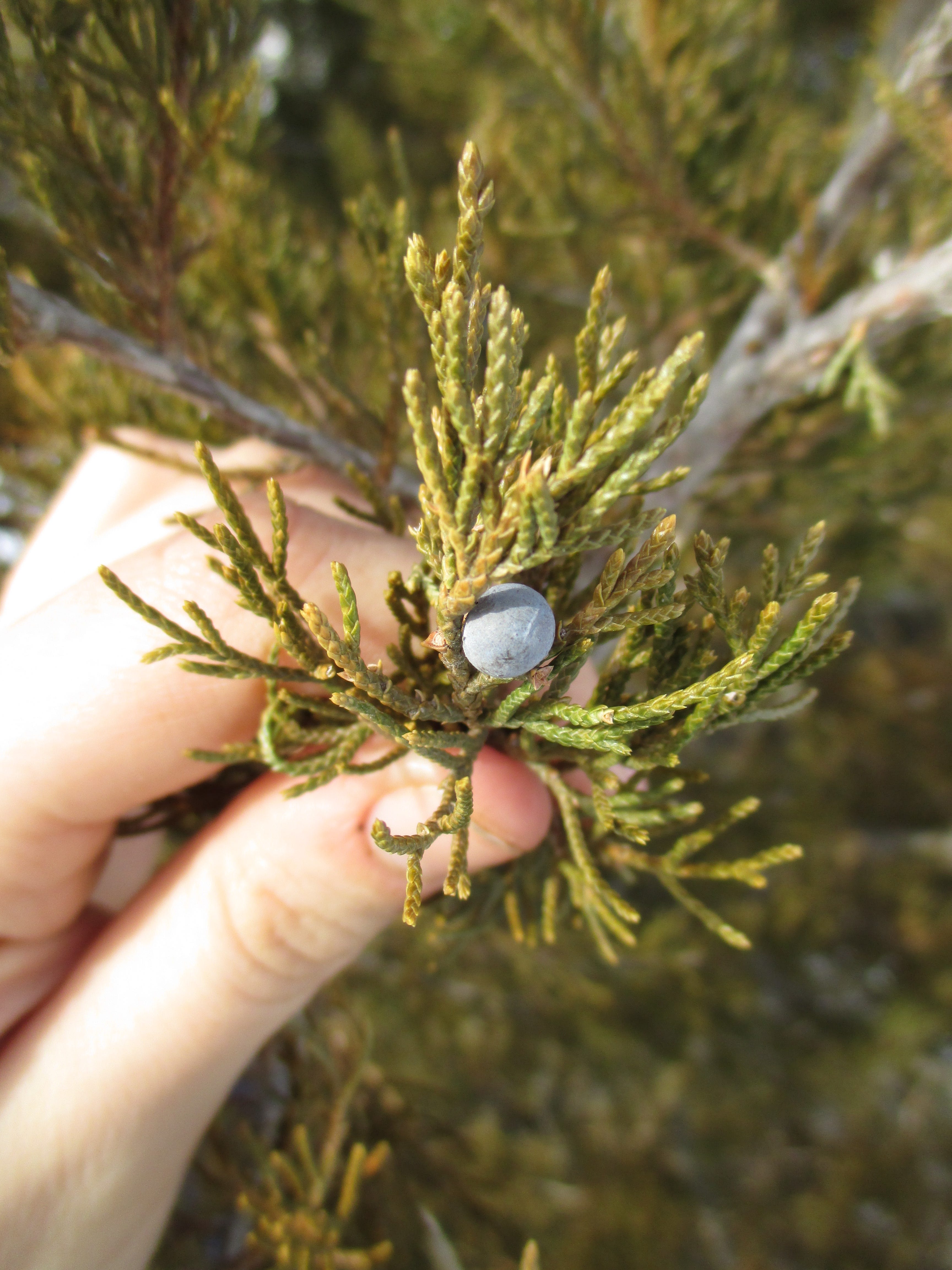
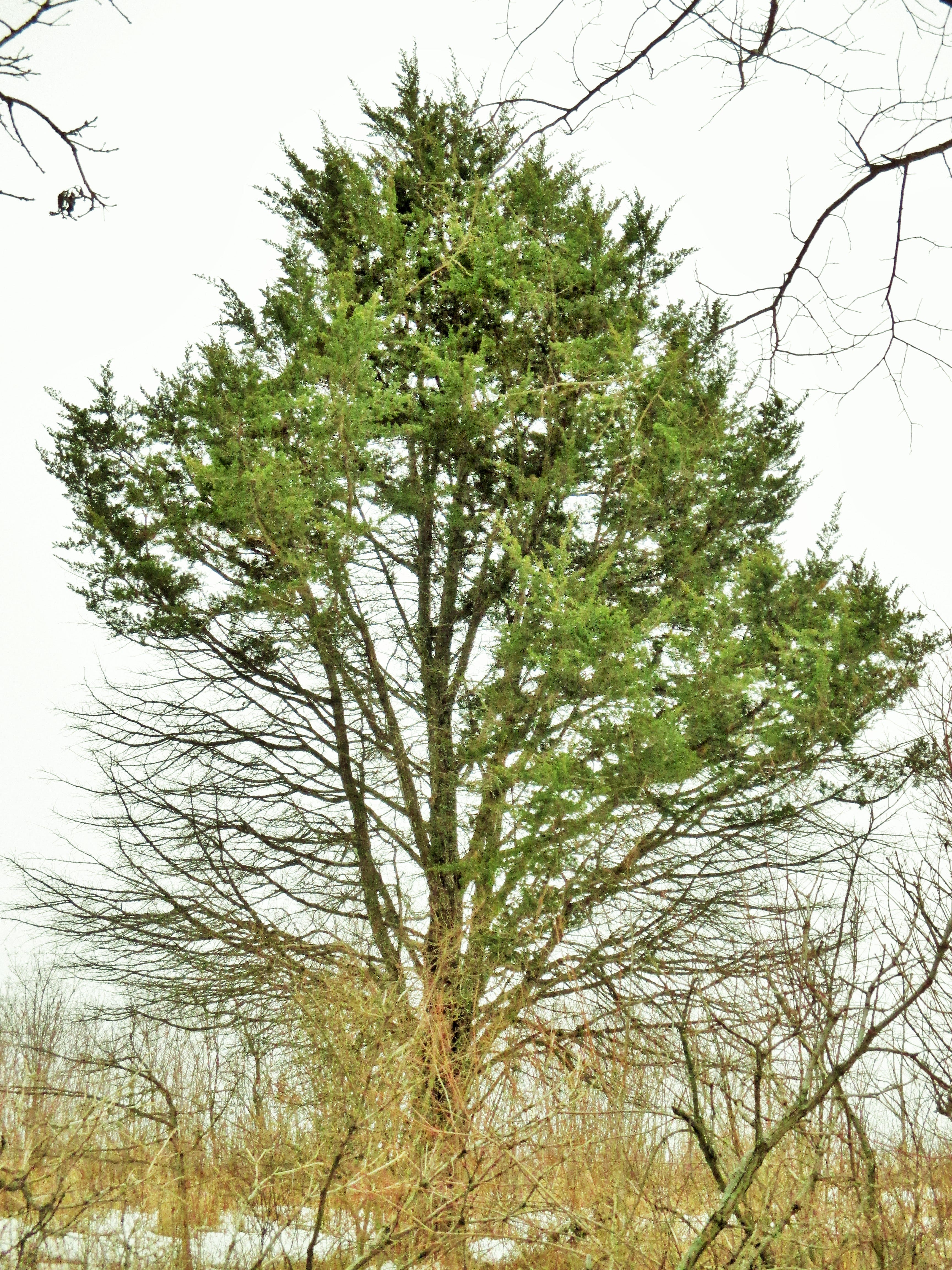
In Iowa, the cedar we are happy to have with us is the Eastern Red Cedar, Juniperus virginiana. By all accounts it really is more of a juniper than a cedar, though these types of cedars and junipers are actually related.
In fact, the family of plants in which the Eastern Red Cedar belongs extends to the giant Sequoia, the towering Redwood, a variety of other Cedars and Cypresses all over the world, and even the Common Juniper, Juniperus communis.
All these trees are somewhat interchangeable too when it comes to their medicinal and spiritual properties. Both juniper and cedar’s use as a spiritual agent, interestingly enough, is found across different cultures and on completely different continents.
Celtic and druidic cultures in Europe, for example, were drawn to the berries of the very similar looking Juniperus communis for almost the exact same spiritual and physical health uses that cultures in the Americas favored it for— including a sweat ceremony very similar to some Native American traditions.
This makes a person wonder if there is some unseen signature in this plant that can be picked up on, making these intangible qualities universally identifiable.
Over the years I myself have definitely been drawn to juniper and cedar— or, sometimes, it feels like they are drawn to me. This happens sometimes with some herbalists and the plants they encounter.
And sometimes, this even takes place through dreams— something I have no explanation for. All I can say is that, it happens.
Like recently: a string of dreams where the front door of my house jams and will not lock. Very inconvenient when an unsavory figure is roaming around right outside! Later in the dream, I find I have a brand new door right around the corner that works perfectly fine: painted red and green with a happy juniper bush right next to it.
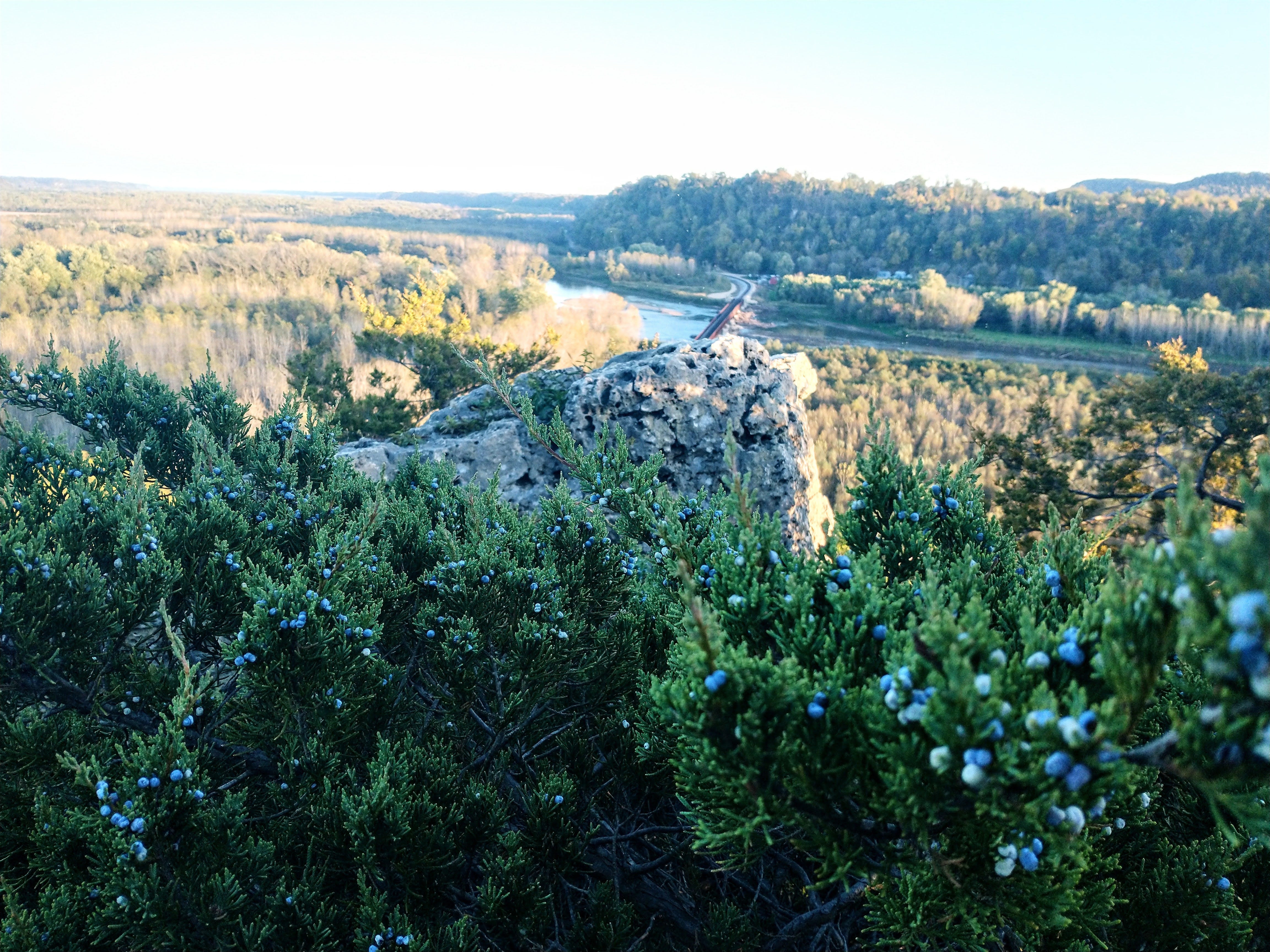
The dreams continued. Months later, a man pulls down a bough of cedar in front of me in one dream, thick with the most enormous blue berries I’ve ever seen. He’s trying to get me to look at them. The following week I’m walking dogs— a real-live tree I hadn’t noticed, suddenly full of bright blue berries, grabs my attention in almost the exact same kind of way.
For some reason I can’t explain, I suddenly know that I must eat them, pick them, and prepare them. Funnily enough I was having some slight urinary and kidney issues right around that time related to long covid— they turned out to be the perfect support for me. My issues resolved.
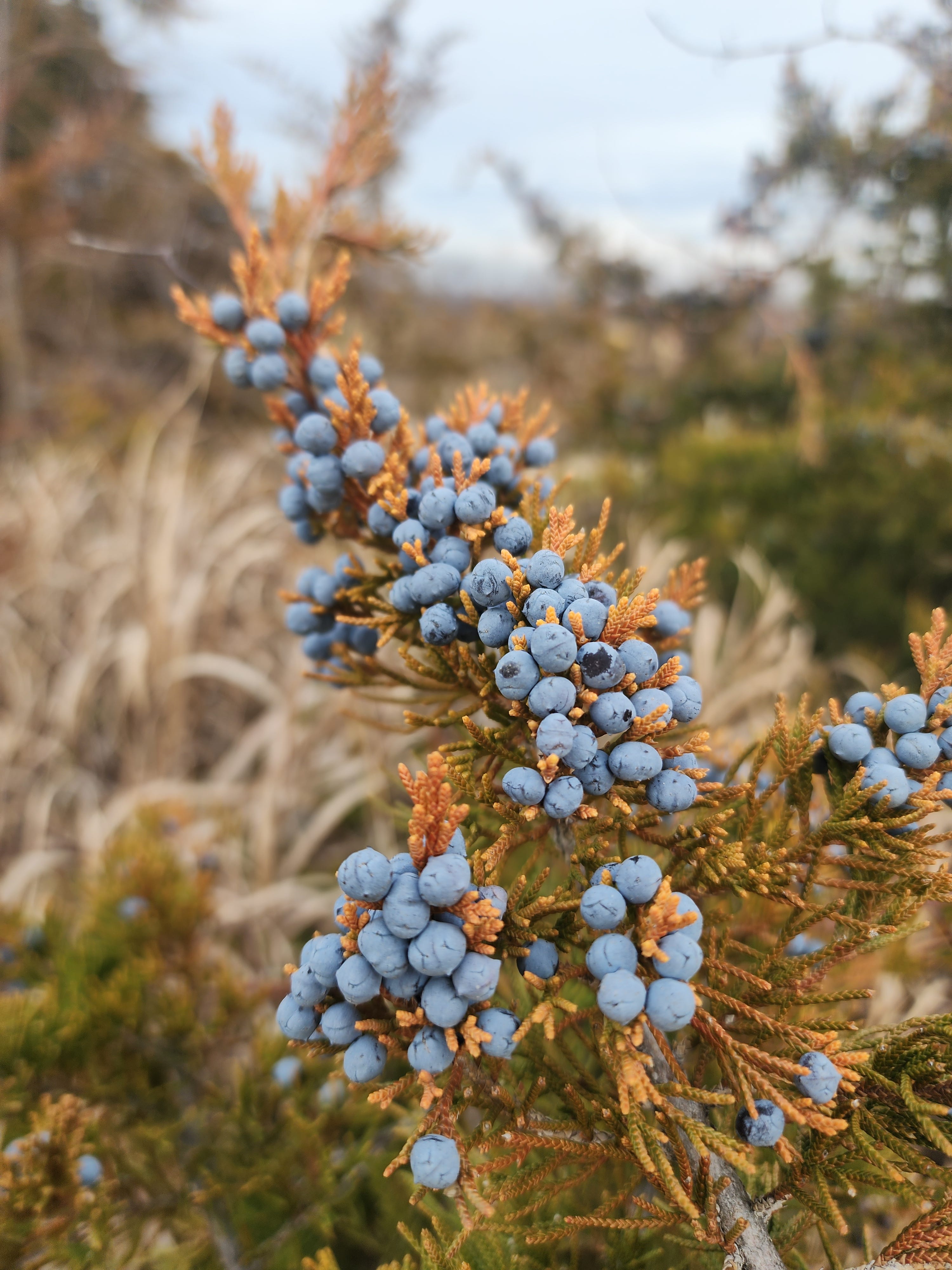
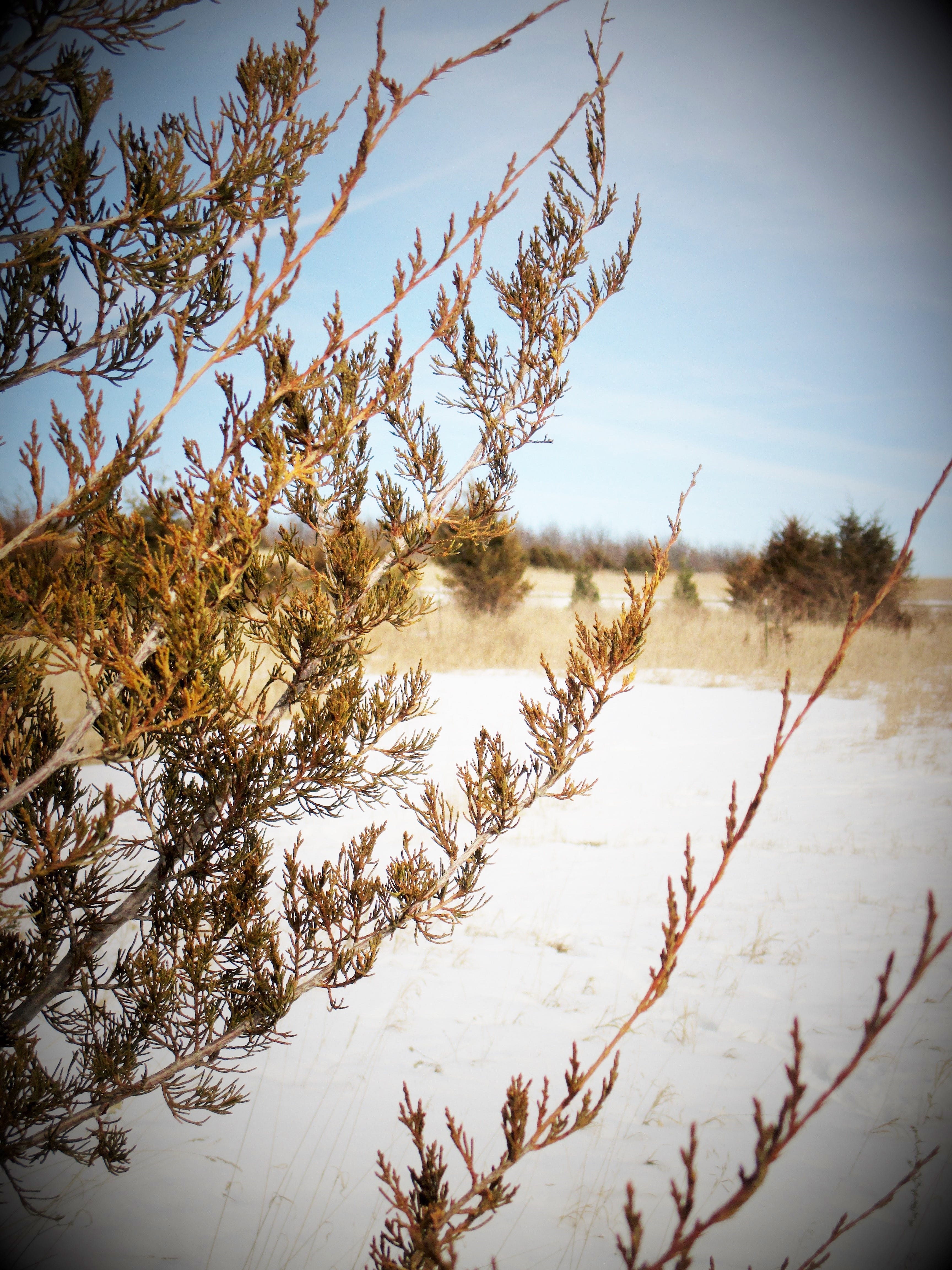
The uses of eastern red cedar branch out into many— beyond the emotional, the spiritual, and the urinary. Its uses are very similar to those of the “Old World” standard Common Juniper, in that its female cones (the berries) are one of its most used parts, if not an attribute of the plant that really grabs the eye.
When you see the cedar's fragrant branches heavily-laden with these bright blue little "fruits" it's hard for an herbalist to think that these are NOT somehow useful.
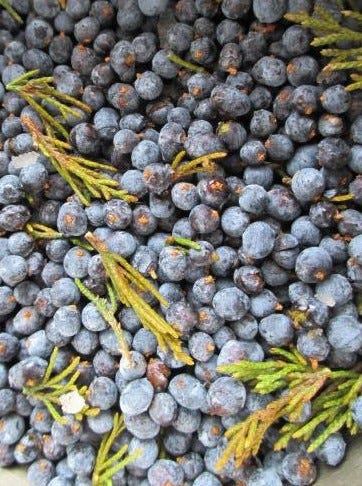
One of the virtues of the berry is that it goes impeccably well with several mediums: salve, tincture, elixir, syrup, you name it. It also tastes aromatically delicious, and mixes well with a large variety of other herbal flavors in combination, if you are crafting a blend or formula of sorts.
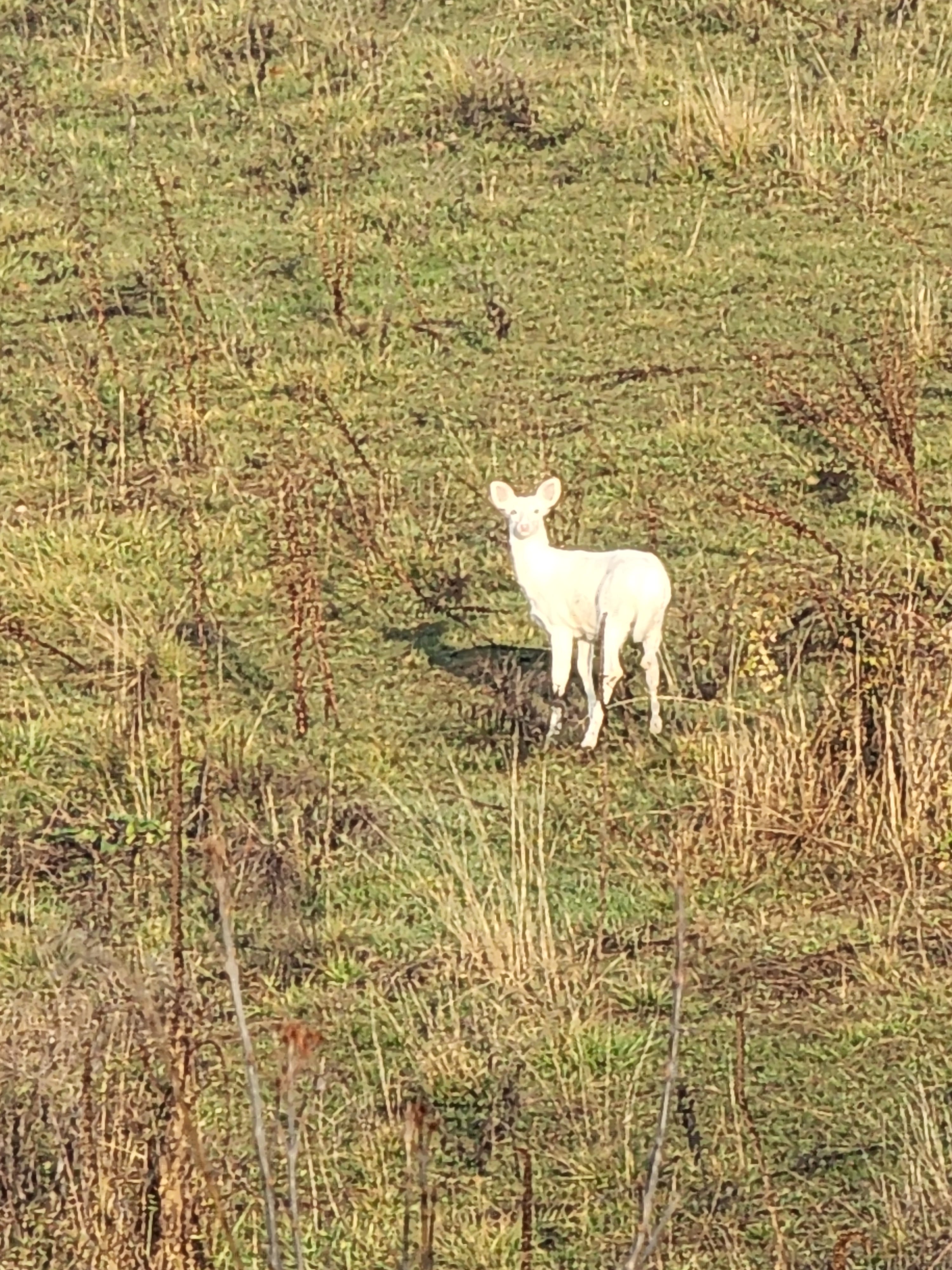
When I returned home from that serendipitous walk with my dogs and harvesting those berries (I also happened to see a white deer on that walk!) I made a tincture/bitters from them immediately. The flavor was divine. Juniper berries are also what are used to flavor gin (if you didn’t know). There is something pleasantly stimulating about that flavor, which I have been enjoying in doses here and there since that day.
Not long after that encounter, and at a recent farmers market, a person randomly shows up to my stand and asks, “Do you just so happen to have juniper berries in some form?”
I was a little in awe of the coincidence. I said, “Super lucky for you. Juniper happens to be my herbal obsession of the moment!”
And a fun anecdote: the person was a professor of philosophy. They wanted to use flavoring of the berries for a “Socrates Death Party” for one of their classes, where juniper flavoring would be used in a beverage to commemorate Socrates’ infamous “death row” hemlock drink— clever, because it looks so similar to juniper!
(Though I realize, in hindsight, that the hemlock Socrates drank was probably the kind that is more closely related to carrots.)
The twigs, leaves, branches, and bark of juniper and cedar have effects and flavor too, although they are more intense and astringent, and also have a reputation for being difficult to extract. Their use is important— but not as eclectic.
I would wager that the berries are more for frequent or regular tonic use, while the rest of this beautiful plant should be saved for acute situations— which I will get to later.
Berries can be picked during the fall or winter when they "ripen" to an appetizing-looking blue. Remember: cedar trees tend to be dioecious (at least the Eastern Reds are). This means there are males and females of the species. If it is fall or winter, and the trees you are looking at for harvesting don't seem to have blue cones, chances are they are male.
Keep looking— you will more than likely stumble upon a female tree not far off.
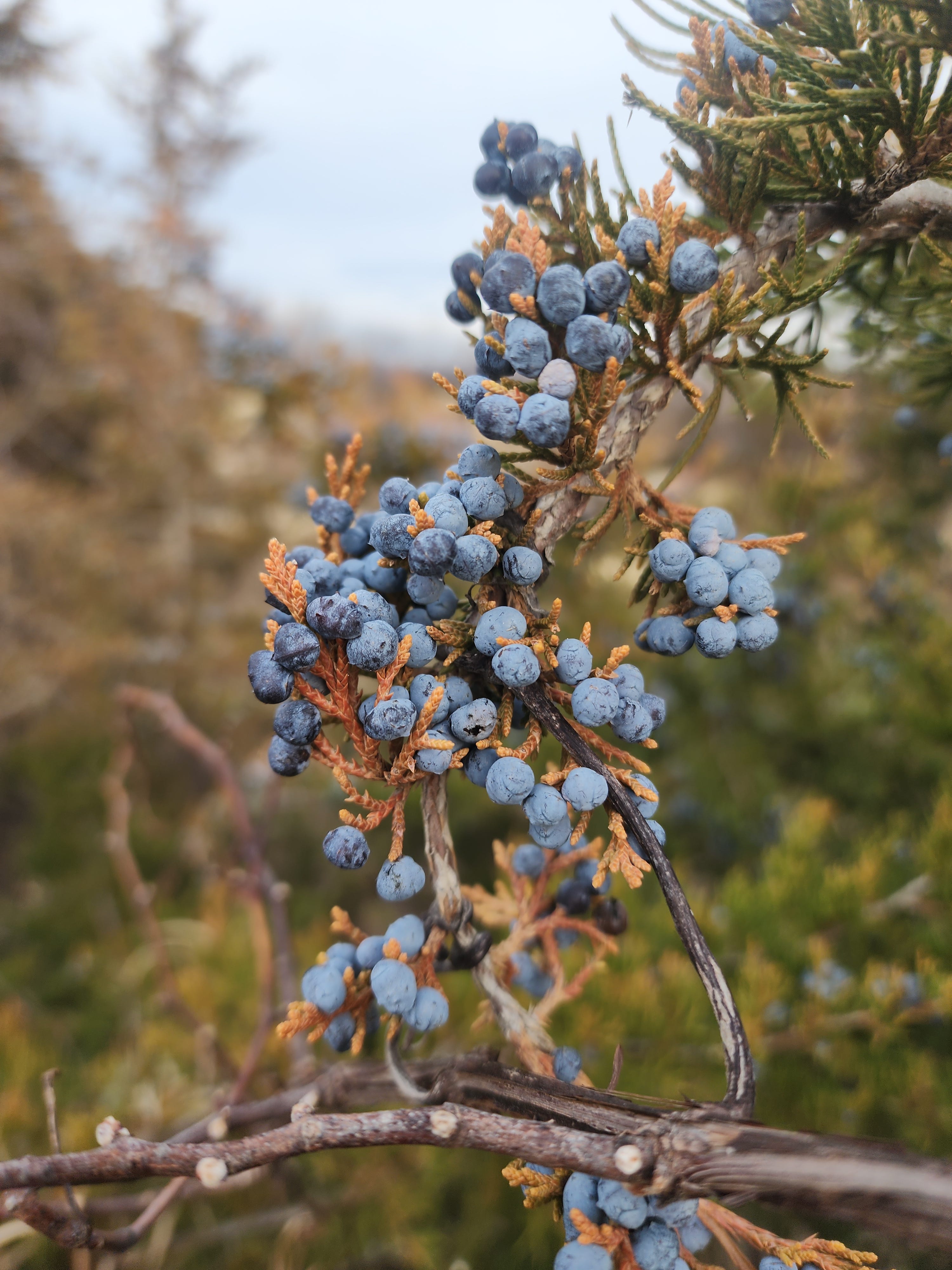
In its many mediums the berries serve as a very ideal winter medicine. All the better since they can, for the most part, be harvested all winter as the berries are available, and when you need them.
They are high in Ascorbic Acid, or Vitamin C, an ideal vitamin to take over the winter for immune support. Even if you don't have a cold their use as a tonic will be more than welcome.
When winter illnesses take a nasty turn, Eastern Red Cedar berries work with expectorant action, helping the lungs clear out excess mucus and promote a healthy cough. It can be useful for a dry or wet cough: it relieves that "tickle" you may feel with a scratchy, dry throat with hoarse cough, but it also stimulates the lungs to cough more productively and expel phlegm in less time than without it.
So here you have a medicine that stimulates the immune system, relieves a scratchy throat, improves your cough— and tastes great! Cedar berries in syrup form are especially delightful. Wonderfully enough, the Eastern Red Cedar and its scores of blue cones are certainly not in short supply, as this tree is a prolific grower all over the Midwest.
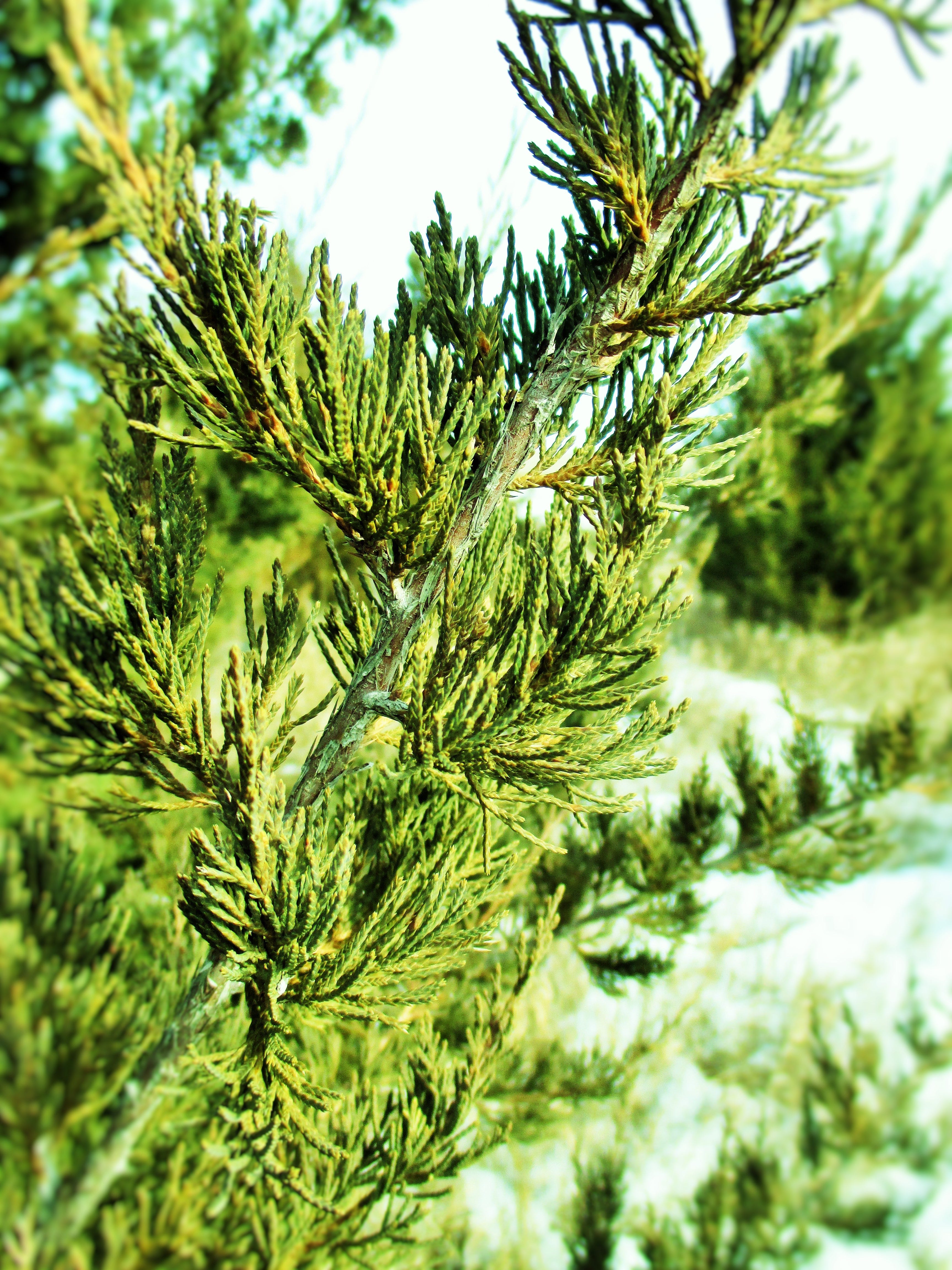
In the Native-Hispanic tradition— per my studies with Charles Garcia, the infamous guerilla herbalist and curandero— cedars and their relatives are valued highly for the properties of their leaves, "needles," or branches. These hold the more potent effects of the tree but are more difficult to capture in preparations.
Warning: they can also be slightly toxic! (Hmmm, maybe Socrates did drink the evergreen hemlock after all.)
While certainly not widely considered poisonous or dangerous, it is still good to be careful. Be sparing when using preparations of cedar needles or branches, even the berries, for that matter. Cedars are very powerful diuretics. When taken overboard, they cause kidney irritation, which feels like cramping in the abdomen— similar to a period cramp.
Even higher doses can be more dangerous. Folks with weak kidneys, or outstanding kidney issues, should avoid using the cedar leaf.
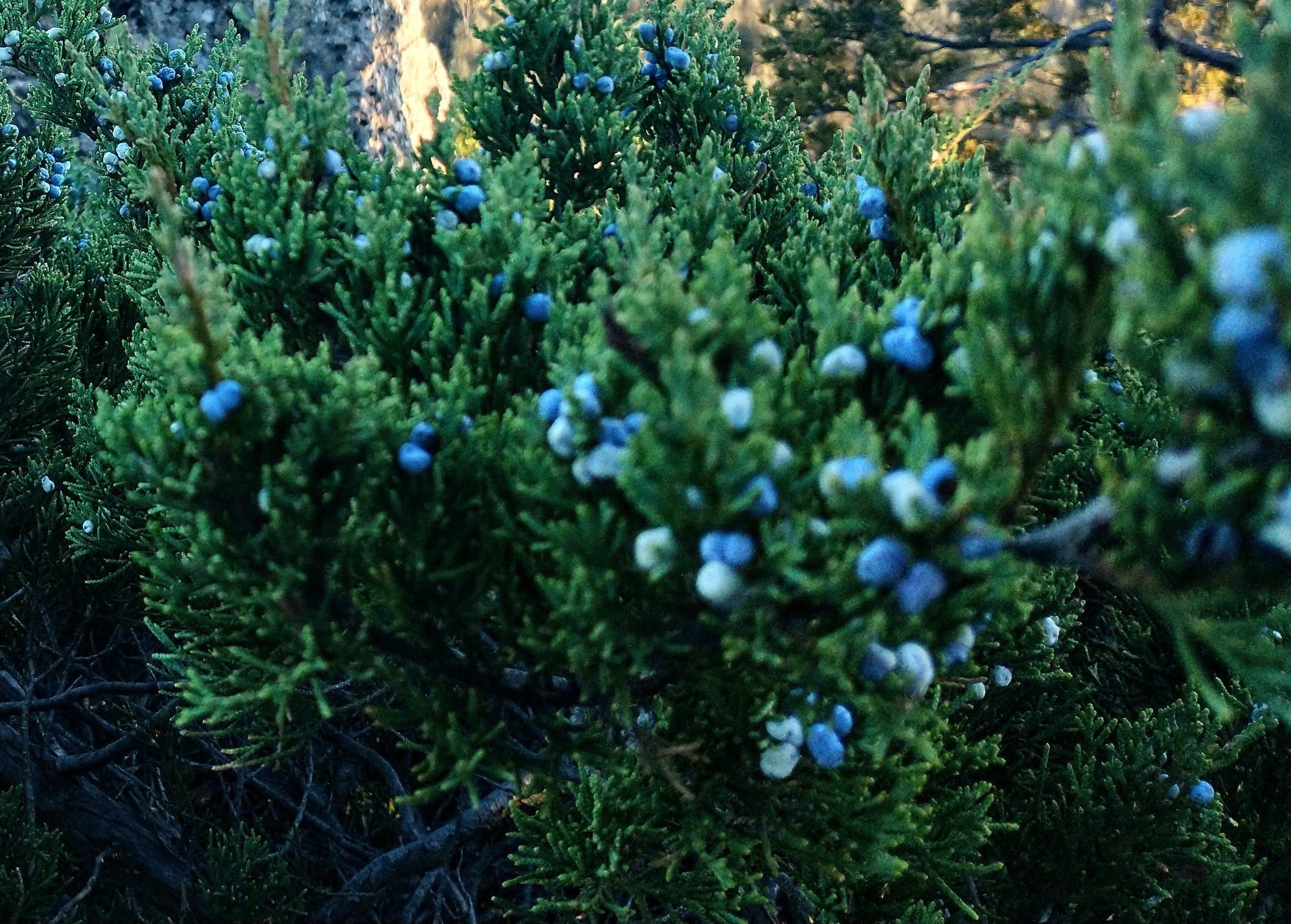
Cedar leaves and branches are a stimulating expectorant just like the berries. They’re best to use when the lungs are incredibly damp, breathing is hard, and illness is acute. Asthma, bronchitis, and pneumonia are prime cases. When taken in a hot tea, it opens up the pores and eliminates sickness very effectively when the body breaks into a sweat.
For the same reasons, Cedar's diaphoresis is integrated into sweat rituals as a means of bodily purification. Its best documented historical use is among the Lakota, a prairie people, when foreigner-brought cholera struck their populations.
A very notable medicine man, who later went on to become the notorious chief Red Cloud, turned to the eastern red cedar and found that a hot decoction of its branches was the best cure for the plague— and saved many lives. This herb is to be used when damp clogs the body, especially in the lungs, and must be eliminated through cough or sweat.
When taken cold, the action of cedar leaves moves downward as a diuretic, purging that way through the kidneys. Its effects in that regard are very intense— and again, this is not a remedy to be overdone.
Historically in Iowa, the use of Eastern Red Cedar was brought here by the Mesquaki people, hailing originally from Michigan but relocated to Oklahoma before settling on their land in Iowa. For them, the plant was a favored tonic, bringing back the weak and ill from the brink or for the invalid or convalescing. Medicine men used the inner bark for catarrh, grinding it into a powder and inhaling it into the lungs or nasal passages.
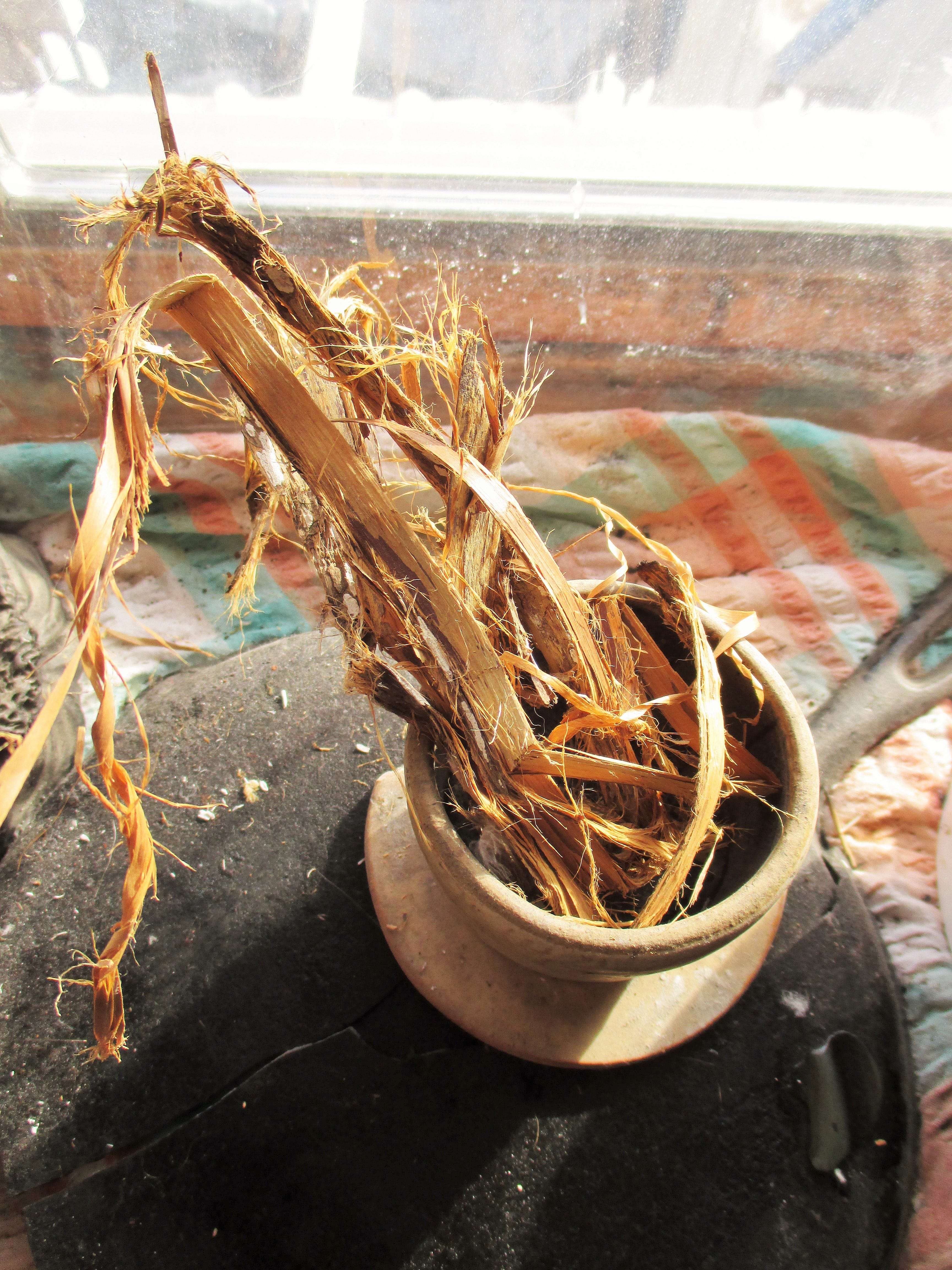
The bark or wood is also what is employed for Cedar's more spiritual purposes. The leaves and branches have been used for the same, too. The fragrant, calming smoke when the wood burns is believed to allay hauntings, malevolent influences/thought forms, evil spirits, ill-meaning wild animals, nightmares, and night terrors (which is funny that I bring up dreams).
Many native peoples in North America use the smoke to cleanse a home; in the Native-Hispanic traditions, home-cleansings are called "limpias," with cedar wood being favored in this way. Again, the smoke of cedar is used to purify the body, not just the home.
Deer love the bark, too. Interestingly, in one of my favorite books The Flavor Bible, deer (venison) is supposed to taste delicious with juniper seasoning… I have yet to try it, but probably will someday. On my winter walks the trunks of the eastern red cedar display hanging ribbons of tender inner bark obviously stripped back by the teeth (or antlers) of white-tailed deer.
I favor harvesting this bark since it is "collateral damage"— it is also the perfect, fibrous texture and consistency for burning as an incense. Also, loving deer so much, I love the idea that the deer have helped with half the work, and that deer enjoy juniper and cedar trees too.
I always find it thought-provoking when the spiritual and emotional effects of plants reflect their physical ones. Just as Cedar seeks to purge our bodies of spiritual impurities, or to protect a home from negative influences, the hard reality is seen at work when Cedar is taken as medicine: whether it is expelling mucus from our lungs as a stimulating expectorant, clearing them of bacterial or viral infection, or opening up our pores in a cleansing fever to clear toxins, as invoked and adopted by sweat ceremonies.
Cedar and juniper, in my experience, may also be a symbol of toxicity or “impurity” itself (after all: its leaves or “needles” are toxic when overdone), and especially when you examine its growth habits in natural environments. Historically, there weren’t many eastern red cedars growing across Iowa’s prairies— even west of the Mississippi River, for that matter.
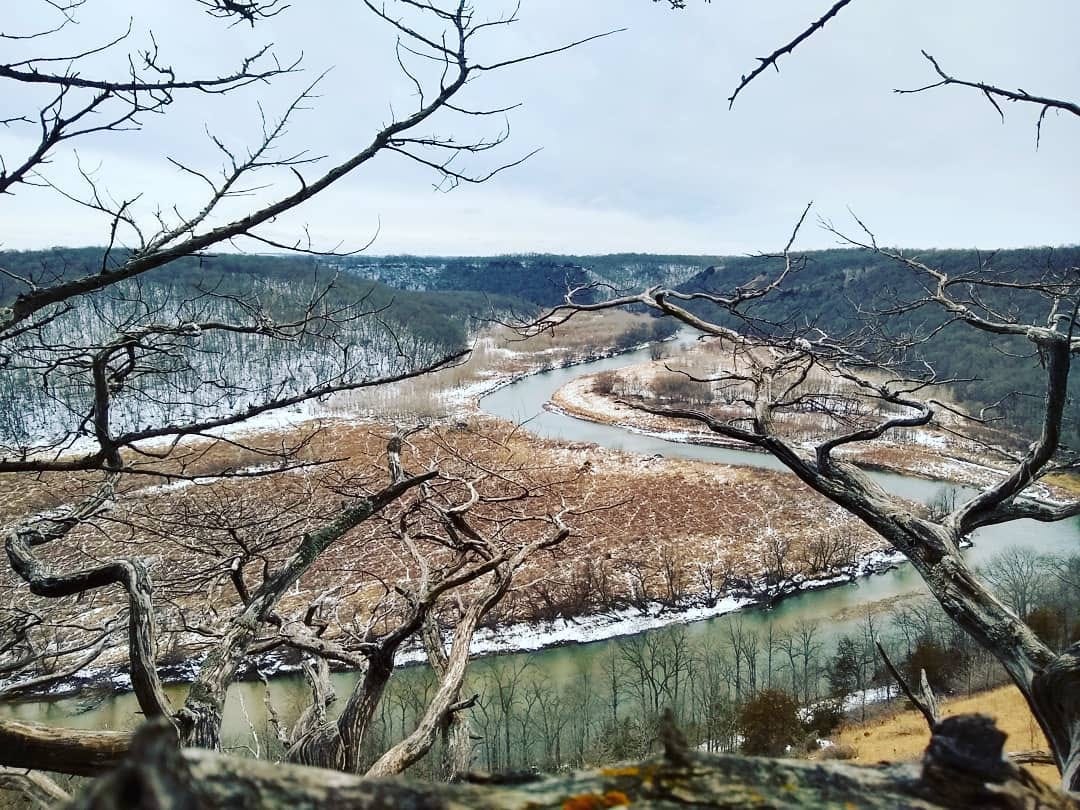
Why? Because the natural movements of wildfire across prairies prevented them from being here in Iowa— except on cliffsides. (The giant ones you see on cliff crags in the Driftless may be hundreds of years old!) Cedars and junipers are notoriously fire-sensitive and flammable, and simply cannot grow or outcompete the more fire resilient prairies it tries to grow in.
Now, with fire choked back from farmlands and no native prairies left, you’ll see these flame-sensitive cedars growing (or trying to) almost everywhere there is unburnt grassland. (On the subject of fire: junipers and cedars are said to be ruled by fiery Aries and Mars, in astrological writings.)
When you see cedars in a prairie you get a sense that they’re not supposed to be there — like “impurities” on the landscape. Fire is indeed destructive; but in the prairie cycle, flame is needed to keep the biome healthy, ridding it of invasives. Saplings or groves of eastern red cedar in grassland are, environmentally speaking, invasive signs of an unhealthy prairie, an indication that a purification of toxins, a cleansing (maybe even a fiery, painful one), is long overdue.
During a time when I was in desperate need to get rid of spiritual toxicities in my life— and long before my recent string of cedar dreams— I had a separate string of dreams about eastern red cedar, or juniper, many years ago. In my dreams I would see prairies full of them. Feeling they weren’t supposed to be there, I thought it meant that at that time, my life was just in need of a little renewal or detox— specifically, in my marriage. I marked this time with the ritual burning of a cedar sapling.
But little did I know that my dreams were calling for a complete restart: a full prairie blaze. One of the last arguments I had with my former husband was about whether or not the invasive eastern red cedars should be here in Iowa. We had driven by some while on a small vacation.
It was uncanny. He thought they had always been here, and should be here— even though I had books full of facts saying otherwise. The argument derailed the whole vacation. As they so often are, the argument was not really about cedars at all.
Through cedar, I was learning the hard way that, in the face of some forces and with certain people, even people you love deeply… facts and truth are completely useless.
I dreamed about cedars again not long after that. This time, they were stubborn and gnarled, irredeemable, emboldened by fire and impossible to burn. My husband stood among them on a cliffside, looking down at me venomously, just as he tended to in real life.
Cedar and juniper taught me that some situations hold no hope, no matter how much you try to manage or burn them— some are fully toxic landscapes. The downside of being relentlessly optimistic, especially in love: you might eventually be left with no other option but to walk away from the landscape of a dysfunctional marriage, an abusive family, bad workplace, etc. and save yourself, especially if that landscape has learned it can manage itself just fine feeding on your love and optimism… while you wither away just to keep them warm.
They taught me that, sometimes, love does not conquer all.
Cedars and junipers have played an interesting role in my life. Now, when I take that mind-transporting whiff of cedar smoke—or catch the aroma of its wood, or taste a blue juniper berry— I realize why I felt that way. This tree is full of some powerful stuff.
It has supported me through colds and flu, gently teased out warm and wonderful memories long forgotten, accompanied me in dreams; it’s been present with me on beautiful nature walks and major life transitions, and taught me many lessons.
It has shown me that sometimes, there are times you need to close the door—but there might be a newer, brighter one right around the corner. Maybe with a happy juniper bush growing right next to it.
As always: harvest responsibly, and respectfully.
References: Charles Garcia/California School of Traditional Hispanic Herbalism. Medicinal Wild Plants of the Prairie: An Ethnobotanical Guide by Kelly Kindscher. Eastern/Central Medicinal Plants and Herbs by Steven Foster and James A. Duke. Personal Experience and Observation.